12 Years Later, Stranger Things Still Can’t Beat One YA Sci-fi Grim-Comedy Franchise That’s Leaving Netflix This Week
Stranger Things became Netflix’s YA sci-fi benchmark but one earlier franchise still outperforms it on structure, stakes, and closure.
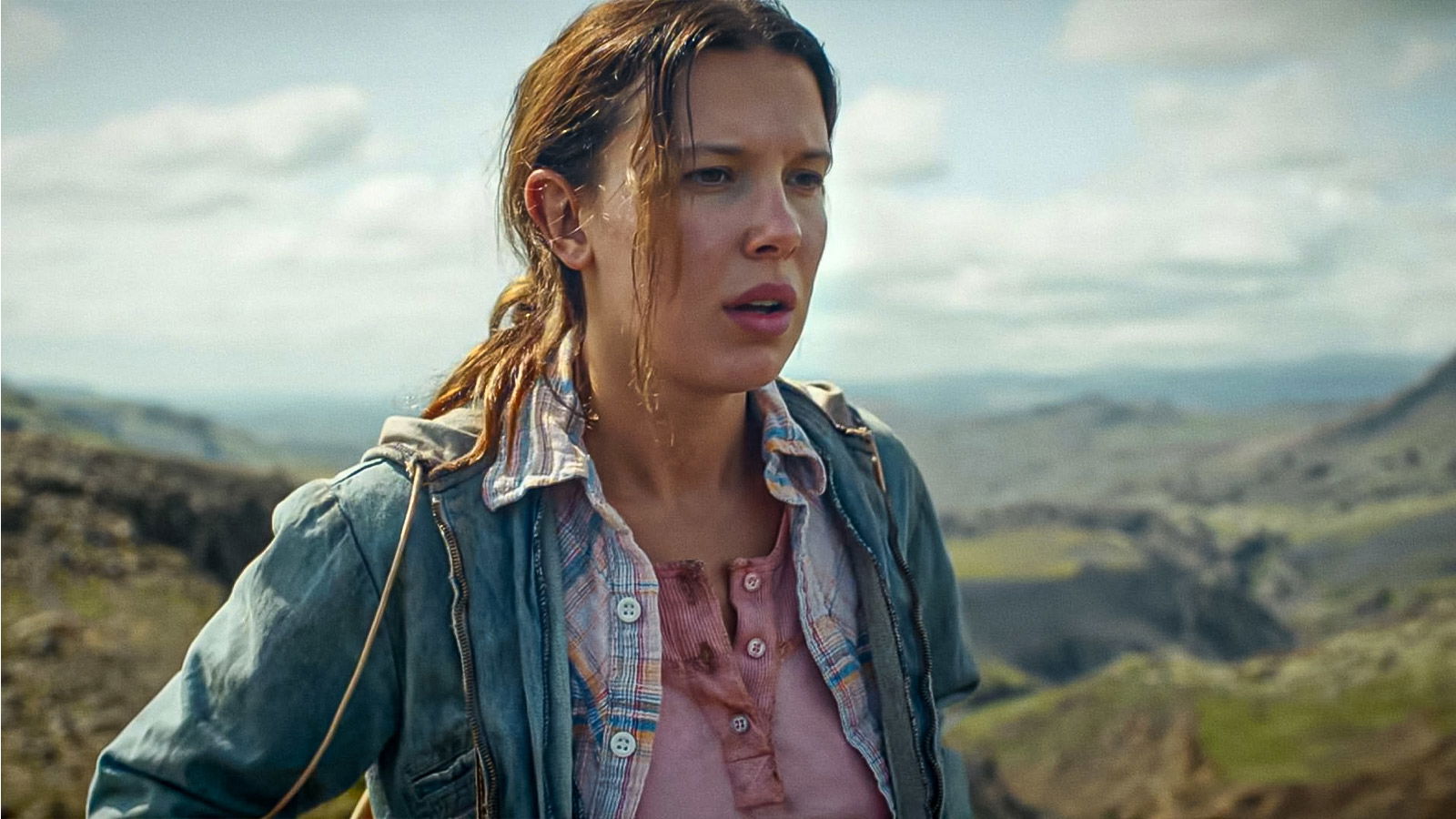
Stranger Things is often treated as the modern benchmark for YA sci-fi, a position it’s held largely through its dominance of Netflix’s event-style release model. Over time, the series has come to represent how streaming-era genre stories are marketed and consumed at scale.
The Maze Runner came out before that became the norm. Released theatrically between 2014 and 2018, the dystopian trilogy told a complete story before streaming really took over. With the franchise set to leave Netflix on January 9 (via Netflix), its availability window has briefly pushed it back into the spotlight.
Revisiting both franchises now highlights a contrast that goes beyond popularity. Their differences reflect how platform influence, release strategies, and storytelling priorities have shifted, and why this earlier YA sci-fi series still compares more strongly than expected.
The Maze Runner Built a YA Sci-Fi World That Actually Evolved

What’s most interesting in Maze Runner is the way in which the world turns upside down as the series progresses. It is a closed system, built upon rules, ritual, and the precept of safety, in terms of the Glade. But by the end of the first book/movie, the whole system is destroyed. It’s not a place the characters return to, either.
The Scorch Trials proceeds to thrust the characters into another drastically different setting altogether, namely the wasteland, destroyed cities, and human enemies that are arguably more unpredictable than any within the Maze. The Death Cure then shifts attention once again to the governed cities, the inner workings of WCKD, and to the consequences of the world that spun the Maze to begin with. Each successive film answers the previous set of questions to reveal an even harsher world.
Compared to Stranger Things, where the characters are more or less stuck in the same place, The Maze Runner is more than content with the possibility that their environment, their social structures, and their conflicts might change in whole ways. It is, in effect, a journey, rather than a series of escalating variations, as in the Netflix series, which is why The Maze Runner is such a satisfying series, so many years later.
Stranger Things Is Defined More by Netflix Events Than Story


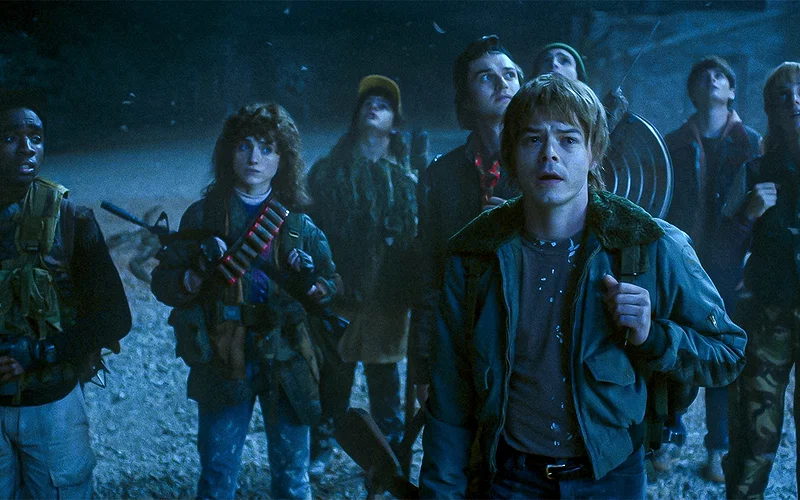
With Stranger Things, each new season feels like a big Netflix moment. There are long breaks between seasons, split-volume releases, and a lot of buildup around when the show is coming back. When it returns, it dominates conversation for a while, then fades until the next release.
That’s very different from The Maze Runner, which simply moved its story forward every time a new film came out. There was no waiting for years to re-enter the world or stretching a release into multiple parts. Each entry picked up where the last one ended and pushed toward a clear next step.
Because of that, the Netflix series often feels strongest during its release window. Compared to the dystopian trilogy’s steady progression, it’s remembered more for the timing of each season than for how the story keeps moving between chapters.
| Category | Stranger Things | The Maze Runner |
| Release Format | Television series | Film trilogy |
| Release Date (USA) | July 15, 2016 | September 19, 2014 |
| Creators / Director | The Duffer Brothers | Directed by Wes Ball |
| Genre | Sci-Fi, Horror, Drama, Mystery | Sci-Fi, Dystopian, Action, Thriller |
| Budget | $400-480 million (season 5) | $34M (The Maze Runner), $61M (Maze Runner: The Scorch Trials), $62M (Maze Runner: The Death Cure) |
What do you think? Does this YA sci-fi franchise still beat Stranger Things, or does Netflix’s hit deserve the crown? Share your thoughts in the comments!