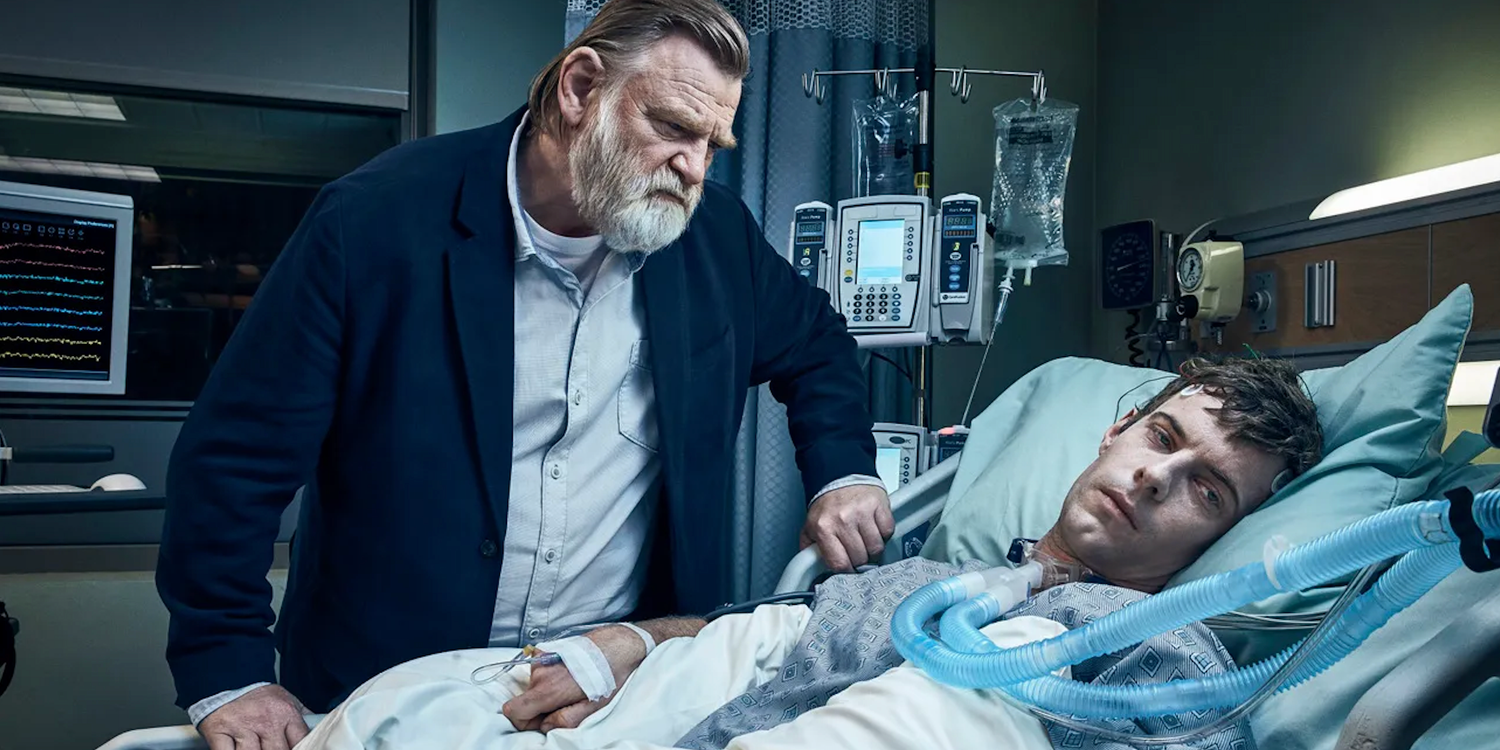
2025 has been a King-heavy year, with four of his works being adapted into feature films, the most recent being the remake of The Running Man with Glen Powell. There’s no better time to binge the forgotten Mr. Mercedes, developed by TV legend David E. Kelley and starring Brendan Gleeson as a retired detective on the hunt to solve an elusive serial killer case.
David E. Kelley Gives a Stephen King Story a Crime Procedural Twist in ‘Mr. Mercedes’

Mr. Mercedes, which premiered in 2017 and ended in 2019 across three seasons and 30 episodes, is now available to stream on HBO Max and Peacock, but upon release, audiences may have been perplexed as to where they could find this crime drama. Unless you were a DirecTV subscriber, you were out of luck, as the show aired on the now-defunct Audience Network, which closed its doors in 2020. The network’s termination coincided with the discontinuation of Mr. Mercedes, which shows no signs of ever being picked up for a fourth season.

Stephen King is primarily associated with supernatural horror, entities terrorizing a local community, or dramas about companionship and hope in perilous circumstances. Mr. Mercedes presents King in a mode best suited for episodic storytelling in the crime procedural. If there’s anyone who was most capable of adapting the Bill Hodges novels, it was David E. Kelley, the prolific showrunner and producer who’s dabbled in a variety of genres, but his bread-and-butter lies within legal and crime dramas like The Practice, Ally McBeal, and Big Little Lies. Thanks to contributions from Mystic River and Gone Baby Gone author Dennis Lehane and frequent Sopranos and Lost director Jack Bender, Mr. Mercedes‘ dark edge goes beyond what we see in King’s most harrowing character studies of people on the brink of decay and mortality.
‘Mr. Mercedes’ Is a Moody, Slow-Burn Mystery About Age and Masculinity

In an age where prestige television, particularly on streaming platforms, feels needlessly bloated to the point of certain episodes just feeling like dead space, Mr. Mercedes often suffers from a similar fate. Kelley expands many of the characters and stories on the periphery of the main arc in the novel and makes them closely interconnected, which hurts the momentum in the rich dynamic between Hodges, his next-door neighbor, Ida Silver (Taylor), Holly (Lupe), and Brady.
Despite some occasional pacing missteps, Mr. Mercedes is an effective slow-burn detective story with a haunted emotional calibration and stylish visual language in the classic mold of a neo-noir. The conflict between a gruff cop in Hodges who intimidates the relatively timid Brady at the electronics store acts as sly commentary on themes of masculinity, as well as the class and generation divide between the two parties, ready to undermine each other. Kelley’s shows are always handsomely crafted, blurring the line between film and television in a time when the line separating them couldn’t have been thicker, and Mr. Mercedes‘s palpable moodiness lulls the viewer into the dour tone of the writing that would’ve felt relentlessly brooding otherwise.