
‘Oppressive Persecution’: Christian Brueckner Fined in German Court Amid Round-the-Clock Surveillance and Ongoing McCann Scrutiny
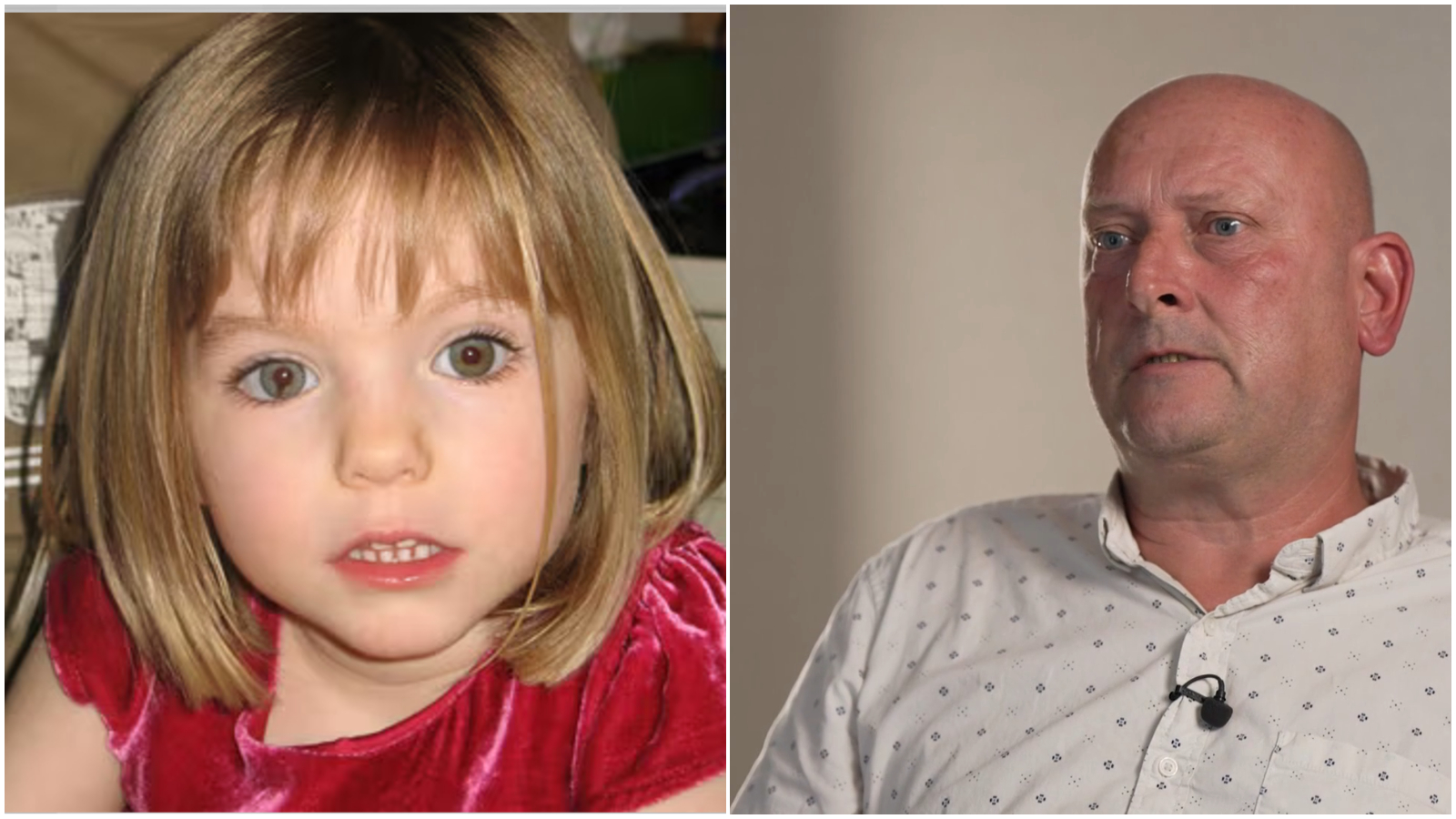
Christian Brueckner, the convicted sex offender identified by German authorities as the prime suspect in the 2007 disappearance of three-year-old Madeleine McCann, has returned to court for a series of minor criminal violations while publicly voicing frustration over round-the-clock state surveillance.
The 49-year-old German national, who was released from prison after serving a seven-year sentence for the 2005 rape of an American woman in Praia da Luz, Portugal, remains at the center of Europe’s most scrutinized unsolved missing-child inquiry. Despite years of cross-border forensic excavations, covert surveillance, and formal suspect designations, prosecutors have yet to file formal charges against him in connection with McCann’s disappearance.
Recent Court Appearance: Verbal Abuse Conviction
Brueckner’s latest courtroom appearance centered on disciplinary infractions and criminal insults directed at correctional staff during his incarceration:
-
The Charge: Multiple complaints were lodged by German prison officers regarding verbal abuse and hostile remarks made by Brueckner while serving his prior sentence.
-
The Ruling: Operating under Section 185 of Germany’s Criminal Code (Beleidigung / insult laws), the judge found Brueckner guilty of verbal abuse, handing down a €3,000 fine.
-
Public Outburst: Addressing journalists outside the courthouse, Brueckner focused his anger on his post-release living conditions rather than the ruling, claiming that constant law enforcement scrutiny has made regular civilian existence impossible.
Claims of State Harassment: ‘Insane Through Oppressive Persecution’
Speaking on the courthouse steps, Brueckner alleged that federal and state authorities are systematically disrupting his daily routine to force an error:
-
Covert & Overt Watch: German authorities have kept Brueckner under close police observation since his release to monitor his whereabouts and mitigate public safety risks.
-
Social Sabotage Allegations: Brueckner claimed plainclothes officers actively deter potential acquaintances and landlords, arguing that the surveillance apparatus has left him feeling “insane through oppressive persecution.”
-
Framing Fears: Reasserting his innocence regarding the Algarve mystery, Brueckner claimed investigators are attempting to build a narrative out of circumstantial timelines rather than physical proof, stating he fears being “wrongfully framed” to satisfy public demand for a resolution.
Overview: Legal Standing & The McCann Case

| Dimension | Current Official Status |
| Suspect Status | Named as an official arguido (formal suspect) by Portuguese prosecutors in 2022; designated prime murder suspect by the Braunschweig Public Prosecutor’s Office (Staatsanwaltschaft Braunschweig). |
| Current Indictments | No formal charges have been brought against Brueckner regarding the disappearance or murder of Madeleine McCann. |
| Evidentiary Threshold | German prosecutor Christian Wolters has repeatedly affirmed investigators possess circumstantial indications—including cellphone mast data placing Brueckner near the Ocean Club resort on May 3, 2007—but lack conclusive forensic material or biological traces necessary to secure an indictment. |
| Previous Searches | Major international digs conducted across Portugal (including the Arade Dam reservoir in 2023) and search warrants executed at garden plots in Hanover yielded no definitive forensic breakthrough linking him to the child. |
Investigative Deadlock

While the Federal Criminal Police Office (BKA) and Portugal’s Polícia Judiciária maintain open case files on Brueckner, the absence of physical remains or definitive DNA matches leaves prosecutors in a delicate holding pattern. Under German criminal procedural law, once an individual is formally indicted and acquitted at trial, double jeopardy protections (ne bis in idem) prevent re-prosecution on the same evidence—meaning authorities cannot bring charges until their case is legally airtight.