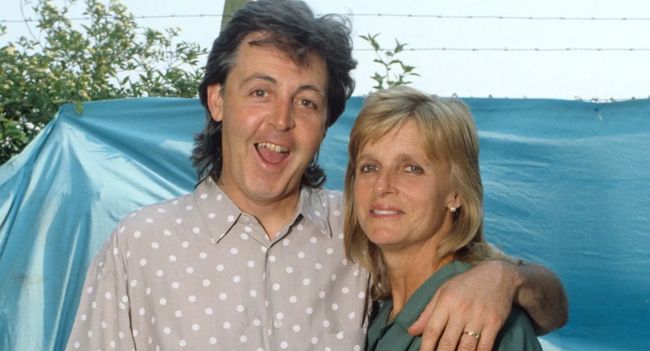
Paul McCartney Reveals the Simple Linda McCartney Philosophy That Helped Him Find Freedom After The Beatles
When The Beatles came to an end, Paul McCartney suddenly found himself facing something he had barely known throughout his adult life: uncertainty. The band that had defined his career, friendships and identity was over, and the pressure of deciding what came next could easily become overwhelming.
More than five decades later, McCartney says one of the most important influences during that difficult transition was his late wife, Linda McCartney — and particularly a remarkably simple phrase she used whenever he felt trapped by his own doubts.
“It’s allowed.”
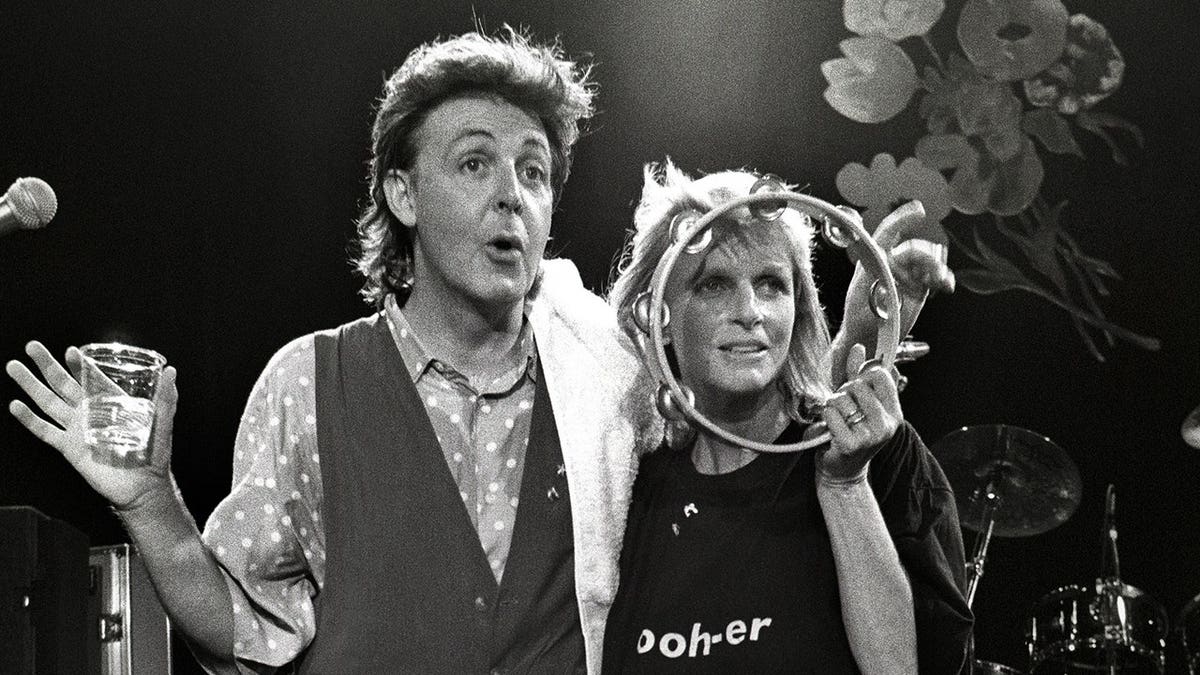
McCartney revisited that period in Morgan Neville’s documentary Paul McCartney: Man on the Run, which explores his personal and creative reinvention after The Beatles and the eventual rise of Wings. The documentary focuses on McCartney’s post-Beatles journey and the crucial role Linda played as he rebuilt his life and musical identity.
Linda’s Simple Words Changed the Way Paul Looked at Life
McCartney recalled how easy it was to become tense after The Beatles ended. In his words, it was almost like suddenly losing a job — except the “job” had been membership in the biggest band in the world.
During moments when he wanted to try something but found himself insisting that he couldn’t, Linda would challenge that thinking with her favorite expression: “It’s allowed.”
For McCartney, those two words could immediately change his perspective.
“It’s like all the weight just went off,” he explained in the documentary. Instead of automatically assuming there were boundaries around what he could do next, Linda encouraged him to recognize that many of those restrictions existed only in his own mind.
Her philosophy helped him become less rigid about expectations and more willing to explore possibilities beyond the life he had known as a Beatle.
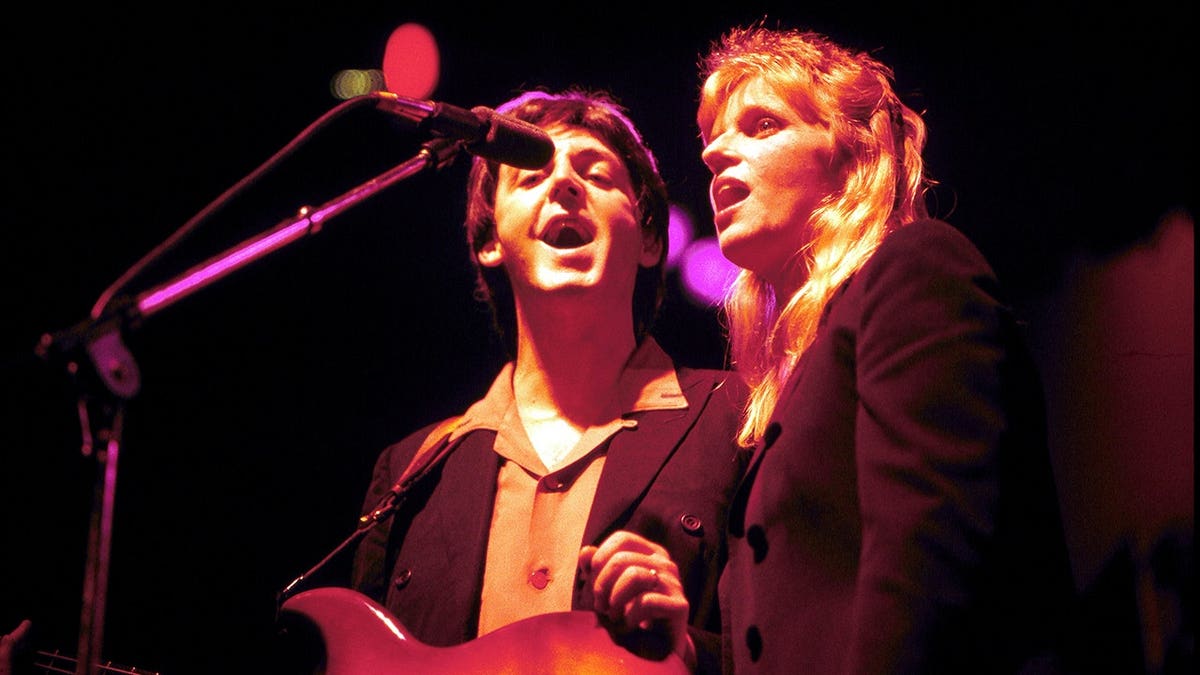
Paul Remembers Linda as a “Freeing Influence”
McCartney believes Linda’s outlook was rooted in her own independent personality.
Although she had grown up in a well-to-do area of New York and might have been expected to follow a more conventional path, that lifestyle never entirely appealed to her.
She loved rock and roll and had an adventurous streak. McCartney recalled stories of Linda sneaking out at night and driving into New York with a boyfriend — small examples of the freedom and spontaneity that characterized her thinking.
That attitude eventually became enormously important to him.
McCartney described Linda as a “freeing influence”, someone whose instinct was not to worry excessively about what other people expected.
For a musician emerging from the enormous cultural shadow of The Beatles, that perspective proved invaluable.
Their Relationship Began Before The Beatles Ended
Paul and Linda met in 1967 while she was establishing herself as a photographer. They married in March 1969, during the turbulent final period of The Beatles.
Together they had three children, Mary, Stella and James, while Paul also adopted Linda’s daughter Heather from her previous marriage.
When The Beatles split, Linda was therefore not simply witnessing a professional transition. She was beside McCartney as he tried to determine what his life and music could become without John Lennon, George Harrison and Ringo Starr.
That next chapter eventually led to Wings.
Building Wings Together
Rather than attempting to recreate The Beatles, McCartney started again.
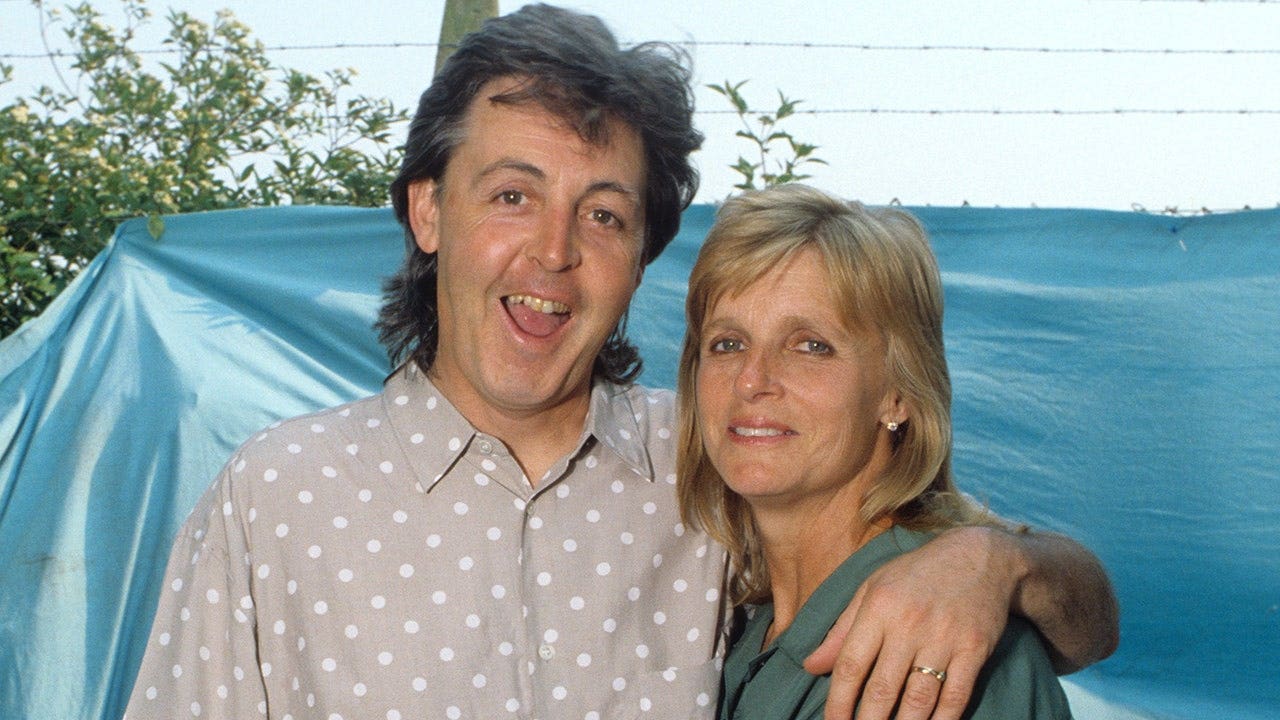
He formed Wings in 1971, with Linda becoming the group’s keyboard player and contributing vocals. The decision exposed her to criticism because she had not entered the band with the years of professional musical experience surrounding the other musicians.
But Wings gradually established an identity of its own.
Over the following decade, the group produced major songs including “Band on the Run,” “Live and Let Die” and “My Love,” transforming McCartney’s uncertain post-Beatles years into another enormously successful chapter of his career.
The 2026 Man on the Run project specifically examines this reinvention, tracing McCartney’s path from The Beatles’ breakup through the formation and evolution of Wings.
McCartney Still Marvels at Linda’s Voice
Looking back at Wings today, McCartney hears something in the recordings that still surprises him: Linda’s harmonies.
She had not undergone traditional vocal training, and there was no modern technology available to polish every imperfection.
For McCartney, that makes what survives on those recordings even more meaningful.
He remembered listening back and realizing that the voice he was hearing was genuine — simply Linda singing because she loved doing it.
Her voice did not fit neatly into categories such as operatic or blues singing. It had its own character, and McCartney liked precisely that individuality.
Linda’s contributions can be heard throughout McCartney’s work from this period, including recordings credited jointly to Paul and Linda and later to Wings. The soundtrack accompanying Man on the Run similarly includes material spanning those formative post-Beatles years.
Nearly Three Decades Together
Paul and Linda remained married for almost 30 years.
Their relationship stretched across the collapse of The Beatles, McCartney’s uncertain early solo period, the creation and success of Wings, family life and decades of creative collaboration.
Linda died in 1998 at age 56 after breast cancer.
Years later, McCartney spoke openly about the depth of his grief. He said he cried on and off for about a year after losing her.
Part of the difficulty, he explained, came from the habits created by decades of sharing a life with someone. He would still instinctively expect Linda to walk into the room because her presence had become such a natural part of his world.
Crying sometimes felt almost embarrassing to him, but he ultimately recognized that it was simply what he needed to do.
:max_bytes(150000):strip_icc():focal(769x368:771x370)/Linda-McCartney-Paul-McCartney-110525-592e5ea31c2a4cdbb65e59fd1125e172.jpg)
Linda’s Influence Continues Through Their Family
The couple’s children eventually developed creative careers of their own.
Mary McCartney followed Linda into photography, while Stella McCartney became an internationally recognized fashion designer.
James McCartney pursued music, eventually collaborating with Sean Ono Lennon — the son of John Lennon and Yoko Ono — on the 2024 song “Primrose Hill.”
Their paths reflect different parts of the creative environment in which they were raised, combining photography, fashion and music.
But McCartney’s latest reflections suggest Linda’s most profound contribution to his own life may have been harder to see from the outside.
She helped change the way he thought.
Two Words That Helped Paul McCartney Start Again
The end of The Beatles could have left McCartney permanently measuring everything that followed against the extraordinary success of his former band.
Instead, he experimented.
He made records on his own terms, worked with Linda, created Wings and gradually built an identity beyond being one quarter of The Beatles.
Morgan Neville’s documentary places that reinvention at the heart of McCartney’s 1970s story — a period that began with one of the most painful endings of his career and eventually produced an entirely new musical chapter.
And behind that transformation was Linda, repeatedly reminding him that the rules he feared might not really exist.
Whenever McCartney found himself thinking, I’d love to do that, but I can’t, Linda offered the same uncomplicated response:
“It’s allowed.”
For McCartney, the phrase did more than provide reassurance. It helped lift the weight from his shoulders at precisely the moment he needed permission to imagine a life after The Beatles.