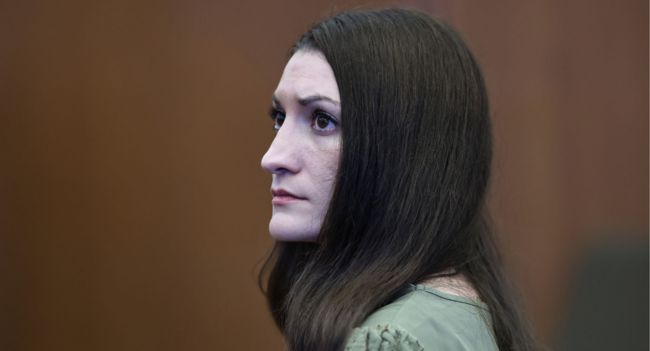
The quiet Duxbury neighborhood where Lindsay Clancy once lived was transformed by a tragedy that residents say they will never forget.
Clancy, 36, is accused of killing her three children — five-year-old Cora, three-year-old Dawson and eight-month-old Callan — at the family’s home on January 24, 2023. She pleaded not guilty by reason of insanity, with her defense arguing that severe mental illness and psychosis had affected her state of mind.
After a six-week trial, the case ended in a mistrial on Friday when the 12-person jury could not reach a unanimous verdict.
For neighbors who watched police and emergency crews descend on their normally peaceful street that night, the memories remain painfully vivid.
‘I thought it was carbon monoxide’
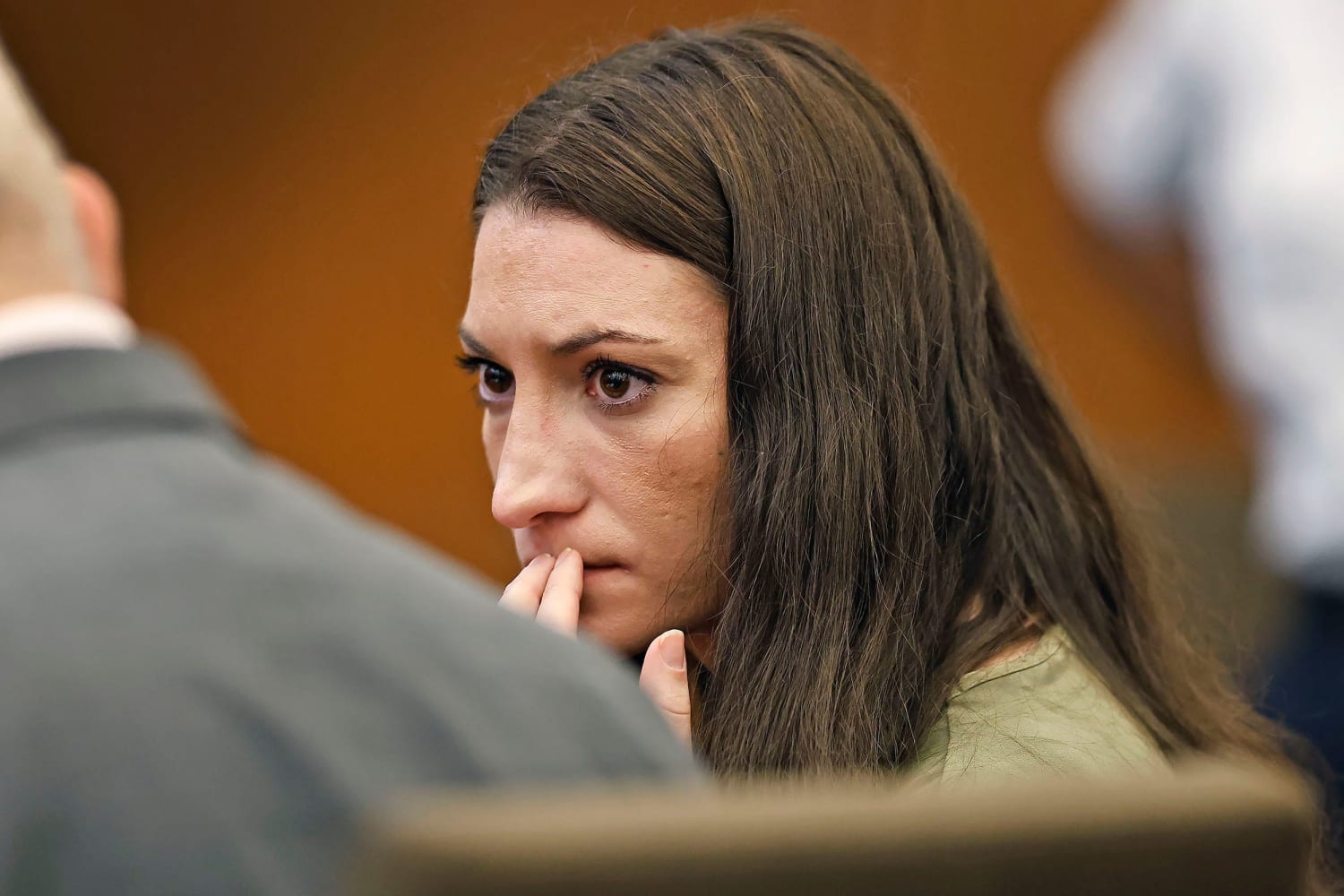
Ruth Hearson, 81, lives directly across from Clancy’s former home. She remembered seeing emergency vehicles arrive but initially had no idea that something far more devastating had happened inside the house.
“I saw four ambulances and I said, ‘Oh, it must be the CO2, carbon monoxide poisoning.’ That’s what I thought,” Hearson told The U.S. Sun.
She said she did not learn the truth until a day or two later.
What particularly stayed with her was the impact the scene appeared to have on first responders.
“The police, they were all traumatized,” she said. “Coming down, seeing the babies, and some of them couldn’t go back to work.”
Hearson said the family had largely kept to themselves, although she occasionally saw Clancy with her children. She remembered seeing the former delivery nurse pushing them in a stroller and described the children as “so cute.”
The reality of what had happened was difficult for the neighborhood to comprehend.
Clancy survived the fall

Prosecutors alleged during the trial that Clancy knew what she was doing when she strangled her three children with exercise bands before jumping from a second-floor window.
Clancy survived the fall but was left paralyzed.
Her defense presented a dramatically different account, arguing that she had been suffering from severe mental illness and hearing voices at the time of the killings.
Her mental health treatment became a major focus of the proceedings.
Jurors heard that Clancy had been prescribed 13 psychiatric medications during the four months leading up to the deaths. The medications included antidepressants, anti-anxiety drugs and antipsychotics.
Clancy had complained about their effects, at one point describing herself as feeling “completely numb” and “like a zombie.”
A note on her phone, last modified the day before the killings, said medication had “stole[n] me from my own body.”
The case has since drawn significant attention to postpartum psychosis and questions about whether Clancy received appropriate treatment before the tragedy.
Neighbors divided over what should happen next

The mistrial means the legal battle is not necessarily over.
Judge William Sullivan formally declared a mistrial and discharged the jury after the panel failed to reach a unanimous decision. Under the circumstances, prosecutors may seek to try Clancy again before a new jury.
All existing bail orders remain in place, and the case has been continued until September 29. Clancy will remain at the mental health facility where she has been held throughout the trial.
For some Duxbury residents, her mental state is central to how they view the case.
Hearson said she believes Clancy’s mental illness, rather than simply punishment, should be the focus.
“If you’re in a psychotic state, that’s what’s in control of you. Not your regular mind,” she said.
She also expressed sympathy for Clancy, saying she was heartbroken that the mother had lost her children.
Other residents shared similar concerns.

Eric McDonald said he believes Clancy should receive treatment in a psychiatric facility rather than prison.
“I think she should be institutionalized at a mental health facility, where she could get the help she needs,” he said. “She’s not going to get that in prison. She is going to get worse.”
Mark Shortt, 62, said he believes medical professionals failed Clancy.
“Whatever they did, it didn’t work,” he said.
Valerie Franks, a part-time Duxbury resident, also questioned the number of medications Clancy had been prescribed.
“How can one person be sane with all that going into their body?” she asked.
“Personally, I think she’ll be better off in a hospital.”
A neighborhood still carrying the weight of the tragedy
Another Duxbury resident, who asked not to be identified, said the case has been emotionally exhausting for the community.
She recalled the night police flooded the neighborhood as darkness approached.

“I just knew it had to be something really big, all of the police cars, the whole area was blocked off,” she said.
She remembered seeing a stretcher being taken from the scene, apparently carrying a woman.
When she later learned that Clancy’s children had died and that their mother had jumped from a window, she said she was left in disbelief.
For months afterward, residents left teddy bears, flowers and other items outside the home. Eventually, signs appeared around the property as emotions within the community changed.
“I don’t have good feelings about her, and what she did,” the woman said. “But at the same time I don’t know too much about that mental illness.”
The trial has also forced residents to confront a painful contradiction: Clancy had been remembered locally as a quiet mother in a friendly beach town where serious crime was unusual.
Hearson said she had seen Clancy’s older children riding bikes and playing outside while their mother pushed the youngest in a stroller. The family had a backyard jungle gym and generally appeared to live a private, ordinary life.
That image has made the events of January 2023 even harder for neighbors to process.

Duxbury struggles to move forward
The tragedy has left a lasting imprint on the community. Local churches, including Holy Family Catholic Church, have held memorial services.
But Hearson believes the trial should have placed greater emphasis on Clancy’s medical history rather than religion.
The case remains unresolved following the mistrial, leaving both the legal outcome and Clancy’s future uncertain.
For the residents who witnessed the emergency response that January night, however, the memories of what happened — and of the three children at the center of the tragedy — remain impossible to erase.