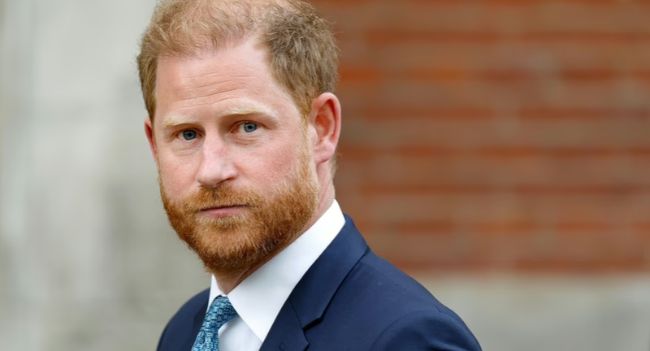
Prince Harry Issued Stark Nine-Word Warning as Royal Biographer Claims He Looks Utterly Miserable After Leaving Royal Life

Prince Harry has become the subject of a pointed warning from a royal historian who believes the Duke of Sussex’s decision to leave royal duties offers a striking parallel with one of the most controversial figures in British royal history.
Royal biographer Hugo Vickers suggested that Harry’s departure from the monarchy resembles the path taken by King Edward VIII, who abdicated the throne in 1936 to marry American divorcee Wallis Simpson.
Speaking on the Daily Mail’s Palace Confidential programme, Vickers argued that personal freedom does not necessarily bring lasting happiness.
He summarized his position in a nine-word statement: “Duty will always make you happier in the long run.”
The historian went further, offering a critical assessment of Harry’s appearance since stepping back from royal responsibilities alongside Meghan Markle in 2020.
However, his remarks represent a personal interpretation rather than evidence of the Duke’s emotional wellbeing.
Royal Biographer Draws Comparison Between Harry and Edward VIII

During the discussion, Vickers examined the choices made by members of the royal family who have faced competing demands between personal relationships and public responsibilities.
He focused particularly on Edward VIII, who surrendered the British throne after less than a year as monarch.
Vickers suggested that Edward’s experience demonstrated the potential emotional consequences of abandoning royal duty in pursuit of personal happiness.
The historian recalled seeing the former King, later known as the Duke of Windsor, at the funeral of Princess Marina, Duchess of Kent.
According to Vickers, Edward appeared deeply unhappy.
“I’ve never seen a man with such sad eyes, deep into his soul,” he recalled.
He explained that he sometimes uses photographs of Edward during lectures to illustrate his interpretation of the former King’s later life.
One image shows the Duke of Windsor at approximately 70 years old.
Vickers contrasts it with a photograph of Queen Elizabeth II opening Parliament at the age of 88.
For the historian, the two images symbolize very different approaches to royal responsibility.
Queen Elizabeth II Presented as a Contrast to the Duke of Windsor

Vickers described the late Queen Elizabeth II as an example of someone who found purpose through a lifelong commitment to duty.
He highlighted her appearance at the State Opening of Parliament when she was 88, describing her expression as bright and engaged.
By comparison, he recalled Edward VIII’s appearance in later life as noticeably sorrowful.
Vickers interpreted the contrast as evidence that remaining committed to royal responsibilities could provide a deeper sense of fulfillment.
“The one who did her duty and the other who took the path of perceived happiness,” he explained.
He then delivered his central message about the importance of duty.
“Duty will always make you happier in the long run.”
The comparison was intended to illustrate his broader argument about responsibility and personal satisfaction.
However, photographs and recollections of someone’s appearance cannot reliably establish their emotional state or the causes of their happiness or unhappiness.
Vickers’s interpretation remains an opinion about the lives of two historical figures.
Historian Claims Prince Harry Looks Unhappy With His New Life
After discussing Edward VIII and Queen Elizabeth II, Vickers turned his attention to Prince Harry.
The Duke of Sussex stepped back from his role as a senior working royal in 2020 alongside his wife, Meghan Markle.
The couple subsequently established their home in California, where they have pursued charitable, commercial and media projects outside the formal structure of the monarchy.
Vickers suggested that Harry’s decision to leave royal duties had not necessarily brought the fulfillment he might have expected.
“He took a different path, and he looks utterly miserable,” the historian claimed.
His comments echoed the argument he had made about Edward VIII.
In both cases, Vickers portrayed departure from royal responsibilities as a decision with potentially significant personal consequences.
Harry has not publicly responded to these particular remarks.
There is also no independent basis in the interview for determining how Harry currently feels about his life.
Edward VIII’s Abdication Changed the British Monarchy
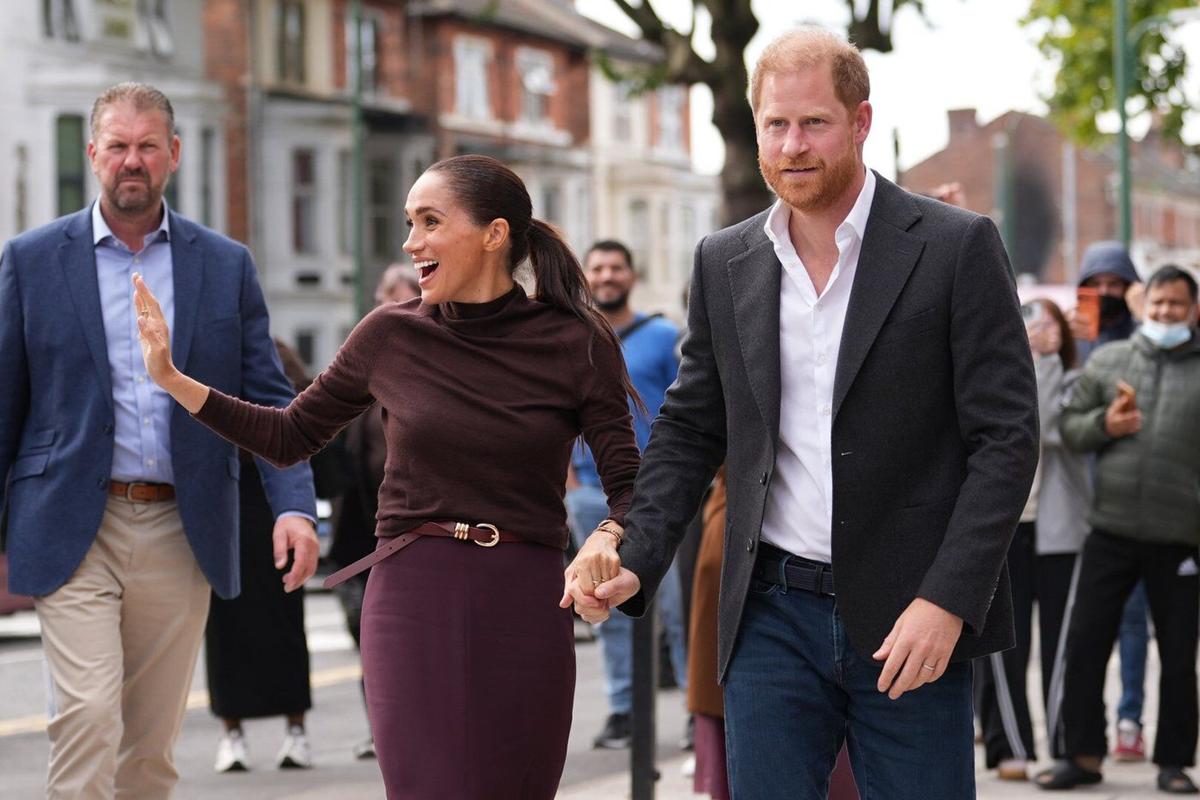
The historical comparison centers on Edward VIII’s decision to relinquish the throne in 1936.
Edward became King in January of that year following the death of his father, George V.
However, his reign lasted just 326 days.
The constitutional crisis developed because Edward intended to marry Wallis Simpson, an American woman who had divorced her first husband and was seeking a divorce from her second.
The proposed marriage faced opposition from the British establishment, including the government and the Church of England.
As reigning monarch and Supreme Governor of the Church of England, Edward occupied a position that made the controversy particularly consequential.
Faced with the conflict between his relationship and his constitutional responsibilities, Edward chose to abdicate.
He signed the Instrument of Abdication on December 10, 1936.
His subsequent radio address explained that he believed he could not fulfill his duties as King without the support of the woman he loved.
The decision permanently altered the royal line of succession.
Edward’s Departure Placed Elizabeth II on the Path to the Throne
Following Edward’s abdication, his younger brother became King George VI.
George VI had not expected to inherit the throne while his older brother remained King.
His accession also changed the future of his eldest daughter, Princess Elizabeth.
She became heir presumptive and eventually succeeded her father as Queen Elizabeth II in 1952.
Elizabeth went on to reign for more than seven decades, becoming Britain’s longest-serving monarch.
Edward, meanwhile, received the title Duke of Windsor.
He married Wallis Simpson in France in 1937, and the couple spent much of their subsequent lives outside Britain.
They maintained a residence in Paris and remained largely removed from the central responsibilities of the royal family.
Edward died in May 1972 at the age of 77.
Wallis died in 1986, nearly 14 years later.
Their marriage and Edward’s abdication remain among the most widely discussed episodes in modern royal history.
How Prince Harry’s Departure Differs From Edward VIII’s Abdication
Although comparisons between Harry and Edward VIII have become familiar in royal commentary, the circumstances surrounding their departures were significantly different.
Edward was a reigning monarch whose abdication directly changed the succession and required a formal constitutional process.
Harry was not King when he and Meghan stepped back from royal duties.
He remains a member of the royal family and retains his place in the line of succession.
The Sussexes’ decision concerned their roles as working royals and their desire to establish a different personal and professional life.
They did not abdicate a throne.
Both men married American women who had previously been married, and both subsequently spent much of their lives outside Britain.
Those similarities help explain why royal commentators frequently compare their experiences.
However, the constitutional responsibilities, historical circumstances and personal motivations involved were not identical.
Harry and Meghan Have Built a Life Outside the Royal Institution
Since leaving their senior working royal positions, Harry and Meghan have established a home in California with their children, Prince Archie and Princess Lilibet.
They have also developed projects involving media production, charitable initiatives and public advocacy.
Harry has continued his involvement with the Invictus Games, an international sporting event for wounded, injured and sick military personnel and veterans.
The couple have also spoken publicly about their experiences within the royal family and the pressures they felt before stepping away.
Their departure has remained a subject of debate, particularly amid reports of strained relationships between Harry and senior members of the monarchy.
Vickers’s comments add to that discussion by questioning whether leaving royal responsibilities necessarily leads to greater personal fulfillment.
However, Harry and Meghan’s private assessment of their lives cannot be determined from the historian’s observations.
Palace Confidential Host Calls the Comparison a Message From History
During the programme, host Luke Blackhall responded to Vickers’s remarks by highlighting the historical significance of the comparison.
He suggested that the story of Edward VIII offered a message about the relationship between duty, personal choice and long-term consequences.
The discussion presented royal history as a possible lens through which to consider Harry’s decision.
For Vickers, the contrasting experiences of Edward VIII and Elizabeth II illustrated his belief that service and responsibility can provide lasting purpose.
He applied that same reasoning to Harry’s departure.
The argument reflects a traditional view of monarchy in which duty is considered central to a royal individual’s identity.
Others may interpret Harry’s decision differently, placing greater emphasis on personal autonomy, family wellbeing and the right to pursue a life outside institutional expectations.
Prince Harry’s Future Remains the Subject of Royal Debate
Vickers’s nine-word warning has renewed discussion about the consequences of Harry’s decision to leave royal life.
His comparison with Edward VIII draws on a significant chapter of royal history, but it does not establish that the two men’s experiences are emotionally or personally equivalent.
Edward relinquished the throne and lived largely abroad, while Harry stepped back from official duties and established an independent life with his family.
The historian believes their choices reveal a lesson about the importance of responsibility.
Yet the question of whether Harry is happier or less happy after leaving the monarchy remains something only the Duke himself can meaningfully address.
For now, Vickers’s remarks represent another perspective in the continuing debate over Harry’s relationship with the royal family and the long-term significance of his departure.
The central question raised by the interview extends beyond Harry’s personal circumstances: whether fulfillment comes primarily from following established obligations or from choosing a different path.
It is a question that has shaped royal history for generations, and one that continues to surround the Duke of Sussex six years after he and Meghan stepped away from their senior royal roles.